Your credit score plays a major role in your financial life. It can affect your ability to qualify for loans, rent an apartment, buy a car, or even secure lower insurance rates. What is considered a good credit score, and what affects credit scores the most?

Understanding Credit Score Ranges
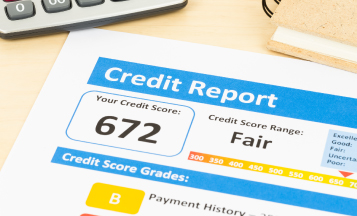
While scoring models can vary, credit scores are generally grouped into these categories:
- Excellent: 800+
- Very Good: 740–799
- Good: 670–739
- Fair: 580–669
- Poor: Below 580
A higher score may help you qualify for better interest rates and financial opportunities.
What Affects Your Credit Score the Most?
Several factors influence your score, including:
Payment History
Paying bills on time is one of the most important factors.
Credit Utilization
This measures how much of your available credit you’re using. Lower utilization is generally better.
Length of Credit History
Longer credit histories may positively impact your score.
New Credit Applications
Applying for multiple accounts in a short period can temporarily lower your score.

Tips to Improve Your Credit Score
Pay Bills On Time
Even one missed payment can affect your score.
Keep Credit Card Balances Low
Try to avoid maxing out cards whenever possible.
Review Your Credit Report
Mistakes can happen. Checking your report regularly may help identify errors or fraud. (Nymeo offers free credit score reports and monitoring for members!)
Avoid Opening Too Many Accounts at Once
Too many applications in a short timeframe can raise concerns for lenders.

Improvement Doesn't Happen Overnight
A good credit score doesn’t happen right away. It’s built through consistent financial habits over time. The good news? Even small improvements can help put you on a stronger financial path. If you need guidance about your finances, Nymeo is here to help. Our credit union even offers free financial checkups. Schedule yours today!
Category: Credit & Budgeting